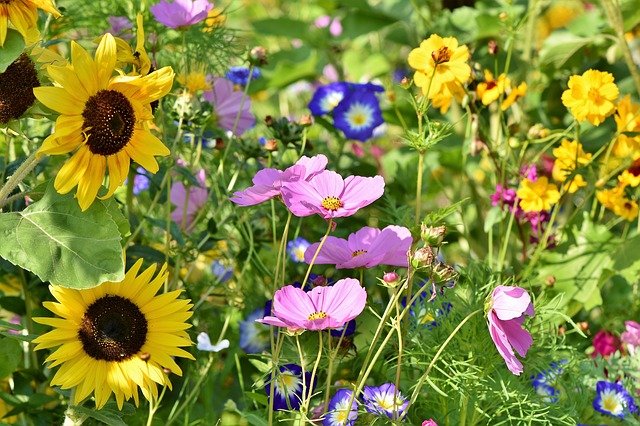
Flowering gardens catch our eye every time we walk by. Achieving a flower bed that blooms continuously from spring to fall is relatively easy—you just need to follow certain principles. It will be easy if you combine ornamental trees, tall perennials, and low rock plants.
The flower bed should be shaped like a stepped terrace, which creates a sense of unity and allows all species to stand out. The back section should feature striking perennials with tall stems, such as alstroemeria and lupine. Each should have enough space and should not shade one another. Remember to prune regularly so the plants don’t grow too much into the foreground.
In the middle section, smaller ornamental shrubs are ideal, such as azaleas, dwarf spruces, juniper, yew, or hebe. However, shrubs will grow larger over time, so plan to either replace them or give them more space.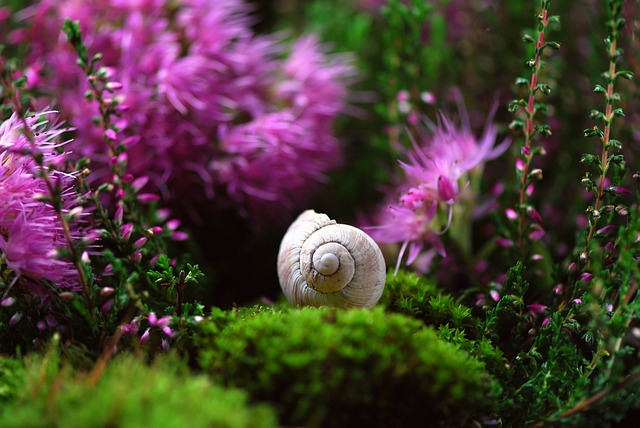
Highlight the terraced design
In the front, plant typical rock garden plants that bloom profusely and are very low-growing, creating a cohesive look and an interesting landscape. These are plants that grow in clumps, such as thyme, heather, or rock cress. Small flowering hyacinths also work well here. Thyme varieties cultivated for gardens bloom in the spring, in May and June; rock cress also blooms during this period. Its beautiful pink, red, or white flowers will beautifully complement the blue blooms of the thyme.
When planting azaleas, don’t forget the necessary acidity of the soil; therefore, plant them in a substrate mixture containing peat. Rhododendrons and hebe also require a similar type of soil. These plants are also evergreen and make rewarding ornamental shrubs.
Tall perennials in the background of the flower bed give this corner of nature an interesting sense of unity among many plant species; the magnificent flowers of lupine were brought to Europe from the United States, where they grow abundantly on open grassy prairies. They thrive in European conditions, and we can sometimes even spot them in the wild. Similarly, astroemeria is imported from America; it blooms in clumps, and this bulbous plant survives even mild winters without
any problems.
